
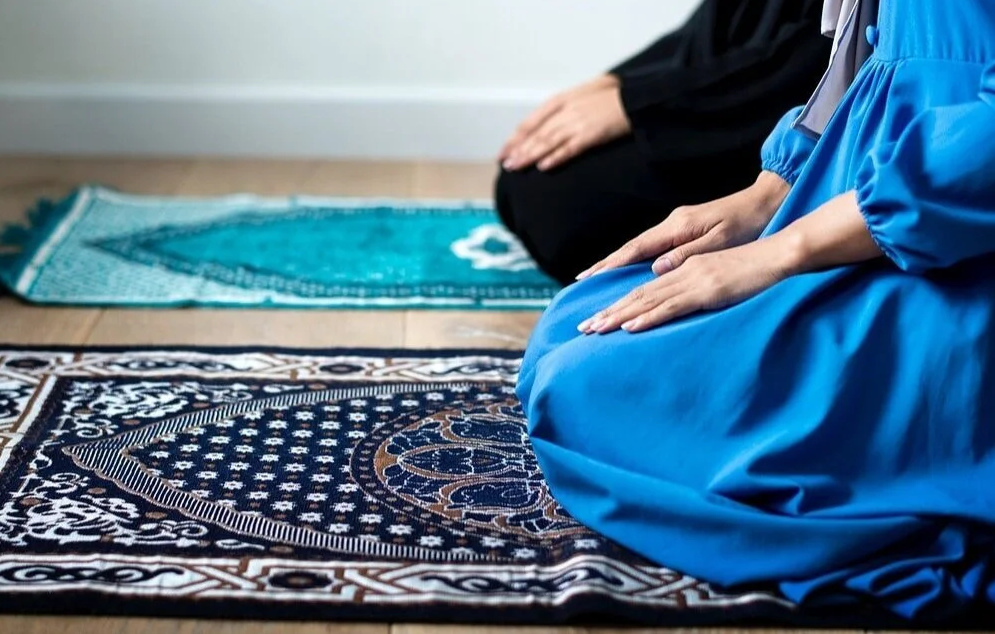
Transforming Salah from a chore into a cherished spiritual experience for the next generation.
Embracing the Spiritual Superpower of Salah
In an age brimming with digital distractions, guiding our Muslim children towards a consistent and heartfelt connection with Salah (prayer) presents a unique challenge. This document explores strategies to shift prayer from a perceived chore to a profound and joyful spiritual journey, recognizing its multifaceted benefits for young hearts and minds.
Prayer is more than just a ritual; it’s a “superpower,” a direct line to the Divine, offering comfort, discipline, and a moral compass. Let’s delve into how we can empower our children to embrace this gift.
The Prophetic Path: Guiding Children to Prayer
The teachings of the Prophet Muhammad (peace be upon him) provide a timeless framework for nurturing prayer in children. A famous hadith states: “Command your children to pray at seven, discipline them at ten, and separate their beds.” This isn’t a rigid rule, but a developmental guide:
- Pre-7 Years (Fun Zone): Focus on gentle introduction, imitation, and making prayer a happy family affair through positive associations, play, and communal worship.
- 7 Years (Kick-off): Formal instruction begins. Teach the “how” and “why” with love, patience, and age-appropriate, engaging methods (stories, interactive learning).
- 10 Years (Nudge): “Discipline” here means consistent guidance, encouragement, and accountability, not punishment.
- Puberty & Beyond: Full responsibility for prayer commences, built upon years of positive reinforcement.
- Mosque Involvement: Early engagement fosters community, provides role models, and reinforces prayer’s importance socially.
Understanding “Discipline at Ten”: Nurturing, Not Punishing
The interpretation of “discipline them at ten” is crucial. It’s vital to clarify its true meaning to avoid misapplication:
- Myth Busting: “Discipline” does NOT mean harsh physical punishment. Scholars unequivocally agree the Prophet Muhammad (peace be upon him) never struck a child.
- True Meaning: It refers to gentle guidance, stern but loving talk, wise admonishment, and consistent reminders. It’s part of holistic upbringing (tarbiyah), rooted in patience and wisdom, not anger or coercion.
- Scholarly Nuances: Different scholarly views exist on whether commanding prayer at seven is obligatory or recommended, emphasizing the need for parents to seek knowledge and apply wisdom.
- Culture vs. Islam: It’s crucial to distinguish between true Islamic teachings and cultural practices that might inadvertently add undue pressure or confusion.
🌟 1. Make Prayer a Loving Habit, Not a Chore
Children learn best when prayer is associated with warmth and peace, not pressure or fear.
- Use calm language like:
“Let’s talk to Allah together” instead of “You must pray now.” - Avoid using punishment or guilt — focus on gratitude and connection.
When prayer feels like a special moment with Allah, kids will naturally grow closer to it.
👀 2. Be Their Role Model
Kids don’t just copy words — they copy actions.
- Pray regularly in front of them
- Invite them to pray even if they don’t complete all the steps yet
- Let them hear your Du‘a and feel your focus on Salah
Seeing you pray calmly and happily makes prayer a natural part of life, not something separate.
⏱ 3. Start Small and Build Slowly
Jumping to five daily prayers all at once can be overwhelming.
- Start with one prayer a day together
- Choose a prayer that fits naturally into your family routine
- Celebrate small wins like joining for one Rak‘ah or learning a short Surah
Small, consistent steps lead to lasting habits.
🕌 4. Make Prayer a Family Activity
So much of a child’s experience comes from what they feel together as a family.
- Pray at least one prayer together each day
- Talk about a verse from the Qur’an or a short story after Salah
- Attend Jum‘ah or Eid prayers when possible
Turning prayer into a shared experience helps children see it as something joyful and meaningful.
📊 5. Use Fun Tools and Reminders
Visual tools turn abstract ideas into something kids can see and track:
- A prayer chart with stickers or stars
- A colorful Islamic calendar showing prayer times
- A reminder from an app that plays Adhan
Kids love checking off progress — it builds pride and confidence.
📖 6. Teach the Why, Not Just the How
Understanding makes everything meaningful.
Explain to your child:
- Prayer is a way to thank Allah for everything He gives us
- Prayer brings peace, comfort, and closeness to Allah
- Prophet Muhammad ﷺ loved prayer and prayed often
Stories and simple explanations help children connect emotionally, not just physically, to Salah.
🌙 7. Praise & Encourage — Not Pressure
Every step forward deserves praise:
- “MashAllah, I’m proud of you for trying!”
- “You did well joining Maghrib with us today!”
Positive encouragement builds love, while pressure can create resistance. Patience and support go a long way.
Final Thought
Prayer is one of the greatest gifts a parent can help a child establish. It’s not about perfection — it’s about connection, joy, and habit. With love, consistency, and gentle guidance, children can grow to love their Salah and make it a part of their everyday life. 🌙✨